
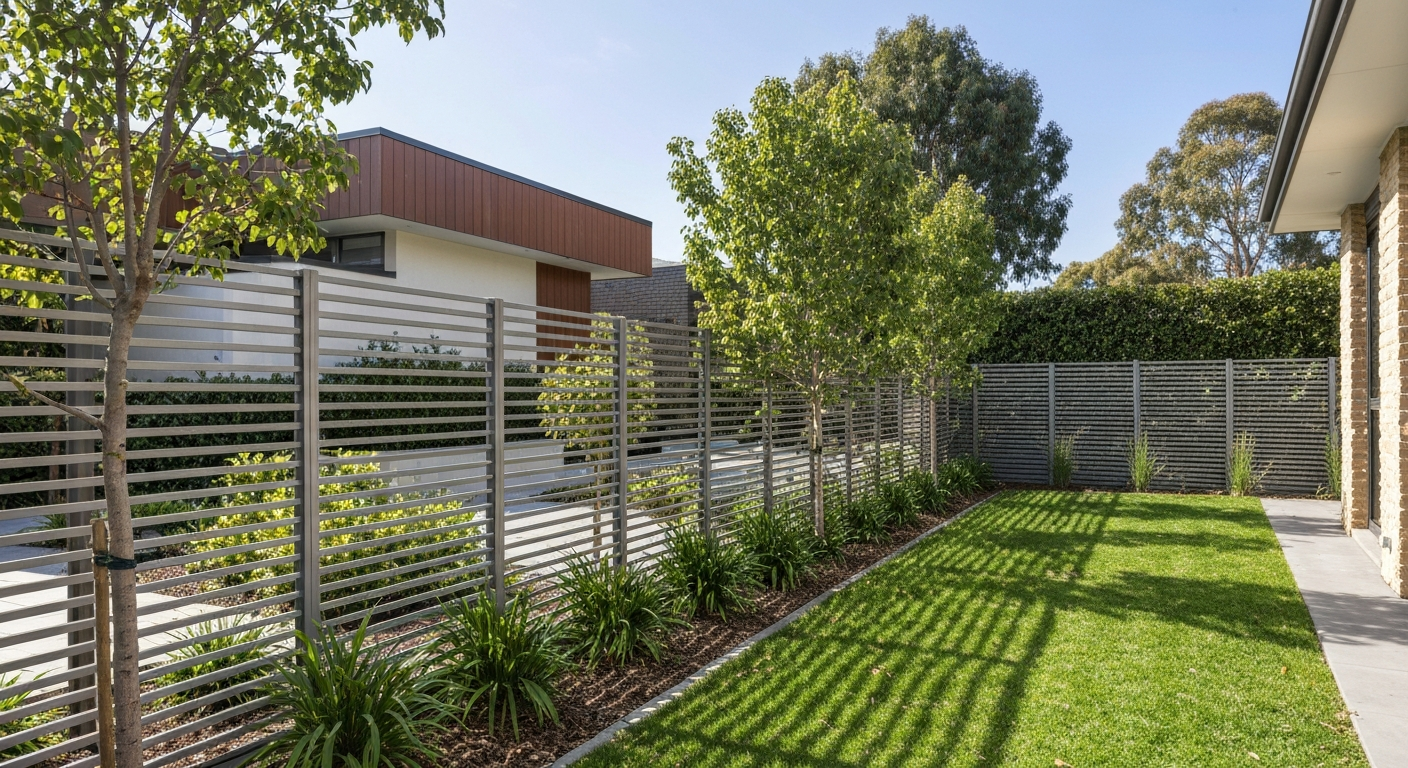
A Beginner's Guide to Fence Styles and Materials
A fencing is one of those acquisitions that really feels simple till you stand in a yard with a measuring tape, weather airborne, and a budget plan that requires technique. The ideal fence is part privacy wall surface, part border line, part landscaping support. The wrong one can develop into an annual upkeep job or, worse, a conflict with a neighbor over where "the line" actually is.
This guide is developed for novice customers. I'll walk you through one of the most typical fence styles, the materials that actually make sense in various climates and spending plans, and the trade-offs that fencing contractors and fence company staffs see each week. If you're employing a fencing company or just attempting to speak confidently with a fencing contractor, you'll understand what inquiries matter.
Start with the work the fence has to do
Before you get connected to a style, specify the function. A decorative iron appearance could be lovely, but it may not address the same problems as a strong timber board fencing. Alternatively, a full privacy fencing can be overkill if you only need to maintain animals in one area or block fronts lights from a driveway.
Here are regular scenarios I have actually seen on actual installs:
- You want visual privacy along a back outdoor patio, where neighbors can see straight right into seating areas.
- You requirement safety for a side lawn, where a gateway becomes the weak point.
- You desire wind and dust reduction, which is primarily regarding fencing height and just how much air movement you trap.
- You're attempting to keep canines from excavating, which is about the bottom clearance and whether the fencing consists of an obstacle or kick plate.
The secure fencing style must adhere to the feature. As soon as you know the feature, the material choice comes to be easier, and the cost conversation remains honest.
Common fence styles, and what they indicate in practice
Fence style is not just about appearance. It establishes how much wind travels through, just how much light reaches plants, exactly how safe a gateway really feels, and how much time you spend on maintenance.
Picket fencings: timeless visual allure, light privacy
Picket fencings are the "front yard" style. They can be easy and narrow, or thicker with decorative tops. The void in between pickets implies you are not buying privacy, however you are buying a clean border and an enchanting look.
I have actually seen a well-installed picket fence change an older building. It makes the yard look intentional, and it frameworks landscape design without transforming it into a shelter. Simply be realistic: if you anticipate it to obstruct sights from next-door neighbors, you will certainly be disappointed.
A detail that matters is picket spacing and elevation. Even tiny changes can change just how much a person can see over the top or via the gaps.
Board-on-board: the personal privacy upgrade
Board-on-board fencings are constructed with overlapping boards that cover spaces from both instructions. They're popular since they look considerable, they obstruct line-of-sight better than a lot of common picket or semi-privacy fencings, and they pair well with contemporary and conventional homes.
If you have actually ever before supported a fundamental "strong" fencing and still seen darkness with the joints, board-on-board is the fix. The overlap decreases that line-of-sight leakage.
The trade-off is that the boards cost more and the framework requires strong bracing. A fence company can install it easily, but you still wish to comprehend that you are spending for the overlap and the labor that chooses it.
Shadowbox fences: privacy with a slightly lighter feel
Shadowbox fences look similar to board-on-board from a range, however the boards alternative positioning so the "darkness" effect shows up. Practically, it gives decent personal privacy while looking much less hefty than completely solid panels.
If you like the personal privacy end result yet fret about a thick, closed-in appearance, shadowbox is frequently a pleasant place. It is also generally utilized where you want air flow, but you still wish to limit straight views.
Semi-private: the concession most people do not speak about
Semi-private fencings leave broader voids or less boards. They're terrific for airflow and commonly cheaper than full privacy styles. They can also feel aesthetically lighter along home edges where the fencing is mainly a limit marker.
But below's the tough fact: "semi-private" normally implies "you can see, yet it's not as clear." If your objective is to stop individuals from viewing your tasks, you require to match expectations to the spacing.
This is where talking with fencing contractors becomes useful. A good fencing contractor will inform you the precise viewline issue, not simply explain the fence advertising and marketing terms.
Rail fencings: open structure, control over blocking
Rail fencings, consisting of some ranch-style styles, are developed more for containment than personal privacy. They can look wonderful in properties with broad lawns, specifically where you want to avoid blocking views or light.
Rail systems can additionally work for gardens or side yards. If you're attempting to keep a pet dog in without turning the backyard right into a wall, rails can be smarter than solid panels.

Lattice and attractive panels: shade, personal privacy hints, and airflow
Lattice fencings include pattern and sometimes partial personal privacy, yet they are seldom a full service by themselves. Latticework works well when you want visual interest, a location for climbing plants, or a soft obstacle that still permits air movement.
If you're in a gusty area, latticework can act differently than strong boards. Wind can push through, which impacts particles build-up and exactly how swiftly plants and creeping plants become unpleasant. Lattice fences look best when they are treated as part of a broader landscape strategy, not as a standalone privacy machine.
Padded or strong gateways: the safety item people forget
Most fencing discussions concentrate on the fencing panels and ignore the gates. Gates take duplicated stress, they sag if the hinges and messages are underbuilt, and they can end up being a weak link in security.
A gate's design need to match the fence's material and framework, not just its appearance. If you buy a costs fence design and then placed a marginal gateway on it, the fencing's real-world efficiency drops.
Materials: the differences that choose your long-term happiness
Material option is where budgets either stabilize or spiral. It also figures out just how frequently you'll do maintenance and just how the fence deals with weather, pests, and ground movement.
Wood: cozy, standard, and maintenance-aware
Wood is the most usual front runner since it looks right for virtually any kind of home and knows to lots of homeowners. Cedar and redwood are popular for their natural resistance to decay compared to some other choices, but they still require proper care.
Wood fencings usually call for periodic maintenance. That can suggest sealing or staining, tightening equipment, replacing harmed boards, and staying on par with rot at ground call points.
From a functional point ofview, the biggest wood fence problems usually originate from moisture and call. Fence lines that catch water, ground that stays wet, and fasteners that aren't picked for outdoor conditions are where wood declines fastest.
If you're hiring a fencing company, ask what wood quality they use and just how they manage message treatment and lower spacing. These aren't tiny information. They determine whether your "wood fence" lasts years or ends up being a repair calendar.
Vinyl (PVC): low upkeep, yet not an universal perfect fit
Vinyl fences have a strong online reputation due to the fact that they don't require staining and they stand up to rot and several insect concerns. For numerous house owners, that translates right into fewer weekend projects.
But vinyl has its very own facts. It can increase and get with temperature swings. In gusty locations, the article spacing and panel layout issue since the fence still acts like a sail. Vinyl likewise has a tendency to be extra flexible than wood regarding moisture, however it can crack or warp if it's improperly set up or if it takes a tough impact.
If you desire a "collection it and neglect it" experience, plastic is typically eye-catching. If your backyard is extremely variable in wind or the fence will certainly take constant effects from landscaping devices or kids, you need to chat with installers concerning just how they develop for those forces.
Aluminum and steel: tidy lines, strong longevity
Metal fencings, including aluminum and steel, can be extremely long lasting. They don't rot like wood, and they can stand up well in tornados when set up with the best footing.
Aluminum is generally lighter and usually chosen for a refined look, especially with ornamental styles. Steel can be larger and a lot more inflexible, relying on style and finish. Both can be powder-coated or otherwise ended up for corrosion resistance, and quality issues here.
Metal fences are often an excellent alternative when you desire long-term efficiency without continuous maintenance, and when privacy is not the primary objective. They can likewise be coupled with personal privacy displays or extra growings for a split approach.
One trade-off: decorative steel fences may not please people who need optimum personal privacy. They obstruct much less, and if your next-door neighbor line-of-sight bothers you, you'll require to adjust either the style or add a personal privacy component.
Composite: the "appears like it" option that still needs realism
Composite fencing is made to imitate timber while reducing some upkeep. Some products are more secure in weather swings, and they can withstand rot and splintering far better than typical wood.
However, composite is not magic. It can fade with time, tarnish if particles sits on it, and it can still be damaged by major influence. The cost is typically higher than fundamental pressure-treated timber, so you're spending for longevity and cleaner maintenance instead of getting "affordable plus."
If you're thinking about composite, ask exactly how the specific product takes care of surface staining and whether it needs regular cleansing. The upkeep might be less than wood, however it's not zero.
Chain web link: practical containment, plus options to improve appearance
Chain web link isn't attractive, but it's an actual option when you need safe and secure control with minimal product intricacy. It prevails for backyards, pool fence, and residential properties where you need durability more than ornamental style.
You can boost chain link's visual effect with slats or personal privacy mesh, and you can match it with ornamental leading rails or plant barriers. The trick is to match the tensioning and message spacing to your neighborhood winds and the expected lots at gates.
If you have family pets or children and the goal is protected containment, chain web link can be one of the most trusted choices when installed correctly.
Fence height, presence, and regional rules
Height is not simply an aesthetic selection. It influences wind load, exposure, and compliance with neighborhood policies. Numerous areas have policies for fencing height by residential property line or distance from the road, and corner lots can have additional exposure requirements.
I can not give you a global legal number, due to the fact that policies differ by jurisdiction and sometimes by HOA. What I can say from experience is this: fence companies obtain more effective installs when house owners verify rules very early instead of after the staffs prepare to set posts.
If you're preparing a project with a fencing contractor, verify the height restrictions and permitting demands before selecting a design. A little adjustment in height can shift you from "allowed" to "not allowed," and the redesign price is rarely small.
Post spacing, entrance construction, and why "panel dimension" lies
When people contrast quotes, they typically focus on fence height and general length. That's a begin, but a fencing quote is greatly influenced by structure information like blog post spacing, rail building, and gateway reinforcement.
Here's what has a tendency to matter most:
- Post spacing effects how much the fence flexes in wind and the length of time it stays straight.
- Gate structures and joint placement figure out whether you'll deal with sag over time.
- Bottom clearance impacts exactly how well the fence consists of animals and how quickly trimming debris builds up under it.
A fencing service provider who constructs correctly will look more costly on paper, but you usually save money because you avoid duplicated repair services and placement problems.
One narrative I still keep in mind: a homeowner chose a reduced proposal for a timber privacy fence, after that called back after a period of heavy tornados because the boards started taking out near eviction. The problem wasn't the timber design, it was the gate framework and supporting. They ended up paying twice, first for the first mount, then for corrective work.
Choosing the right design and material combination
You do not just choose a fence, you choose a system. Design and product affect each other.
If you want solid privacy and a typical look, timber board-on-board or shadowbox can be excellent, yet plan for upkeep. If you want privacy without constant staining, vinyl personal privacy styles can work, with focus to publish spacing and wind design.
If you want longevity and crisp visual appeal, light weight aluminum with taller areas, or steel in a clean decorative layout, can be a long-lasting path. If your main goal is control and safety and security, chain link with correct stress and a solid gate layout will typically outshine numerous decorative compromises.
This is additionally where your lawn format issues. A fencing along a slope needs mindful grading and message depth selections. A fencing on large soil requires steady ground options. Those site variables can matter as high as the material brand.
A practical cost conversation, without the guesswork
Fence prices depends upon greater than products. Labor, website preparation, post install trouble, entrance count, and demolition of an existing fence can swing total price a lot.
When you speak with a fencing company, don't just ask "what's the rate per foot." Ask what's included. For example, does the quote include removal and haul-away of an existing fencing? Are messages concrete-set or secured differently? What equipment is used on gateways? Are coordinating materials included?
If you desire a list of the concerns that save one of the most cash and disappointment, use this as your discussion starter:
- What is the exact fencing style (board-on-board, shadowbox, semi-private, picket, decorative)?
- What material and quality is made use of for posts and panels, and how are they dealt with or coated?
- How are blog posts mounted, and what spacing do you follow?
- Is entrance framing reinforced, and what hardware is used on hinges and latches?
- Does the quote include licenses, energy marking, and elimination of the old fence?
That handful of responses will divide a major proposition from an unclear one.
Maintenance assumptions by material
Maintenance is the component people underestimate. They see the fencing material and visualize the maintenance will match their "vibes." Actually, weather patterns and site problems drive maintenance more than anybody's intentions.
Wood usually requires periodic securing or staining, and it can need board-level repairs when wind or impact breaks boards or loosens bolts. Metal commonly needs periodic cleaning, and occasionally touch-ups if the covering is endangered. Plastic normally needs rinsing and standard cleansing to eliminate mildew, and it can be repaired relying on just how the system is built.
Chain link often tends to require less than timber and greater than plastic. It needs regular look for stress and placement, and gateway hardware can be the weak point.
The most important upkeep variable for any material is the structure factors and drainage. If water is merging at a post place, you will certainly spend for it later on. A great fencing contractor layouts for water movement, not just aesthetics.
Common mistakes beginners make, and exactly how to stay clear of them
Even mindful customers make mistakes when they're new to fencing jobs. The bright side is lots of blunders are predictable, and you can capture them early.
The largest errors I see fall into 3 groups. First is mismatched expectations. Individuals buy a semi-private style and afterwards act shocked when it doesn't obstruct sights enough.
Second is rushing the format. Residential property lines, entrance swing instructions, and exactly how the fence line engages with outdoor patios and landscape design all issue. Fence tasks get more challenging when the design ignores exactly how you actually utilize the space.
Third is ignoring site conditions. A fence installed on unsteady ground, without correct footing, will certainly move. That shift influences whatever from entrance positioning to exactly how boards sit.
You can protect against a lot of these concerns by strolling your property with a tape measure and a simple plan: where you want privacy, where you require a gate, and which locations obtain the toughest wind and sun.
Working with fencing contractors and fence companies
Whether you hire a fencing contractor or a fence company, your duty is to lead the task toward your priorities. An excellent specialist will certainly steer you, however you still require to ask the right questions.
Look for expertise in the essentials: clear communication, a comprehensive quote that names the fence style and products, a prepare for utility noting, and an understanding of regional guidelines. If the proposition seems like a common number with no specifics, that's a red flag.
If you are contrasting fencing contractors, ask to see instances of their previous installs that match the product and design you're considering. A professional who has actually done board-on-board privacy fencings should be able to explain exactly how they stopped spaces, exactly how they aligned boards, and what they do at edges and gates.
Also focus on just how they manage corners. Corners are where geometry and placement can fall short, and where beginners frequently wind up with misaligned fencing lines or uncomfortable board transitions.
Two fast "choose your path" scenarios
Sometimes it assists to determine by imagining your yard.
If you desire a yard fence that blocks neighbor sights and provides you a calmer patio mood, think of board-on-board or shadowbox. Choose timber if you fit with discolor maintenance, or select plastic personal privacy styles if you desire lower maintenance. Either way, focus on entrance construction, since that's where functionality obtains tested every day.
If your main worry is keeping pets had and adding a border that lasts, chain link with appropriate tension can be a functional option. If you want it to look better, think about privacy slats or mesh, however comprehend that it alters wind behavior. For curb look with sturdiness and marginal maintenance, light weight aluminum or steel decorative designs can do the task, especially if you layer growings for extra screening.
The profits: pick the fencing that fits your life, not just your taste
Fence acquiring isn't just about the appearance. It has to do with just how your yard behaves, just how you use the area, and what you want to preserve. A fence that matches your way of life will look better longer, and it will certainly really feel much safer and even more reliable.
If you're talking with a fencing company, bring your purpose and your questions. If you're contrasting quotes, demand specifics. If you're selecting materials, comprehend the maintenance reality. That's just how novices end up with a fence that stays right, stays strong, and does not become a reoccuring project.
When you obtain the best style and product combination, the fencing stops being a "thing you set up" and starts doing what it was indicated to do: define the space, safeguard what issues, and make the whole residential or commercial property really feel more finished.