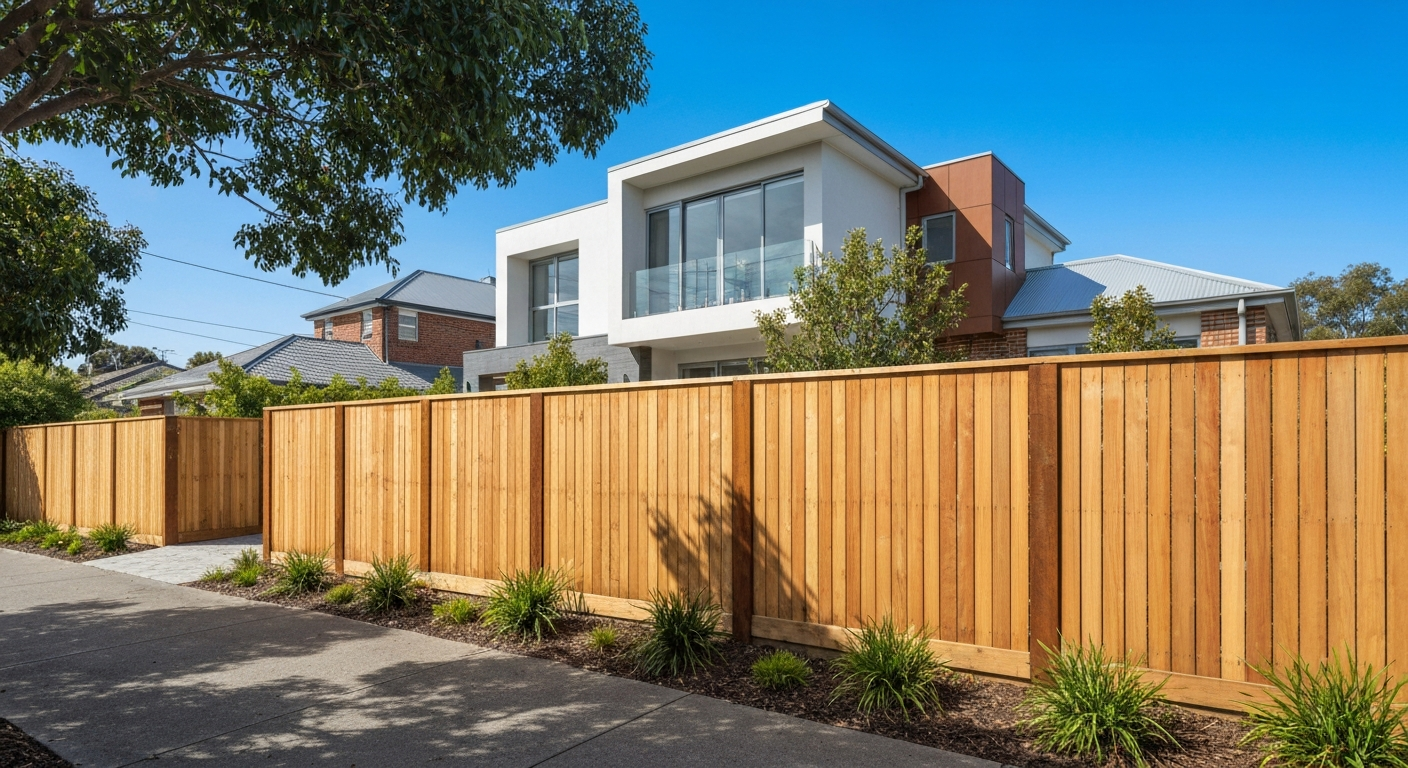
Fencing Discoloration and Sealing: Timeline and Recommendations
A fence is just one of those exterior tasks people admire for around 5 mins, normally right after setup, and afterwards begin stressing over every single time the weather turns. That's not dramatization, it's truth. Timber moves, moisture sneaks, coatings fail, and even the "finest" fence work can look exhausted by year 2 if the timeline and preparation were off.

If you desire a fence that still festinates after rainstorms, freeze-thaw cycles, and summer sun, you have to treat staining and securing like an arranged upkeep task, not a random weekend break job. This is where fencing contractors earn their cash, since the right window, the best dampness problems, and the best product choices matter greater than the brushwork. And if you're managing a fence company or a fencing company that intends to rush the task, you need to slow them down, nicely yet firmly.
Below is a practical timeline and the recommendations I use when preparing a fencing discoloration and sealing timetable. I'll additionally cover the edge situations that flounder house owners, DIYers, and also some fencing contractors.
Start with the genuine concern: why the timeline matters
Most covering failures come under two categories.
First, the covering forms a surface area film that catches dampness or blocks proper drying out. When that happens, the tarnish or sealer can look "alright" initially and then peel, transform blotchy, or show mold right where you the very least want it.
Second, the wood wasn't prepared to approve the finishing. Damp, freshly built pressure-treated boards, or wood with lingering building dampness can decline discolor. The finish might dry out on top, however it won't bond all right to last.
Timeline is the guardrail between "we did the work" and "the job still executes."
The standard timeline after fence installation
The safest basic rule is straightforward: new timber needs to dry adequate prior to you put a finish on it. The length of time that takes relies on what the fence is made from and just how it was installed.
For recently installed timber fences
If your fencing is freshly installed, plan on this approach:
- If it's pressure-treated lumber, wait longer than you believe you should.
- If it's cedar, redwood, or various other naturally durable wood, you still require to allow it dry to an ideal wetness level.
- If the fencing was installed with damp boards, the "clock" starts when the wood has in fact dried out to the conditions outdoors.
In practice, numerous property owners and fencing contractors land in a similar time array: about 3 to 6 months after installation before staining or sealing. That variety covers a lot of real-world situations. Damp climates, questionable lawns, and dense wood can push the window closer to the leading end. Dry, breezy conditions and lighter timber can allow earlier progress.
But here's the catch: "3 to 6 months" is not a commandment. It's a preparation range. The choice needs to originate from surface area readiness and timber dampness, not from the schedule alone.
A functional preparedness check you can do without guesswork
You can do a quick water examination on the boards. Sprinkle or splash a small amount of water on an unnoticeable area. If the water beads up and rests on the surface for a while, the wood is likely too shut or also wet for a strong bond. If the water dims the wood promptly and soaks in, the surface is normally more receptive.
Still, for the best result, make use of a moisture meter if you can. Even a fundamental pin meter can inform you a whole lot about whether the boards are still lugging too much moisture. Numerous discoloration manufacturers define target dampness arrays, and those arrays differ by product. When you follow the product specification, you're not gambling.
Timeline choices: what to do when you require the fencing to look great sooner
Homeowners commonly ask for an earlier coating, specifically when they've just purchased the home or when the backyard is to buy. In some cases you do require the fencing to look far better fast. Yet you still require to value the wood.
The compromise resembles this:
- If you stain prematurely, you risk blotching or much shorter lifespan.
- If you wait, you shield the finishing however delay the payoff.
In some situations, fencing contractors will do a partial improvement previously, such as cleaning and using a surface area conditioner that assists level absorption, after that returning later on for a complete stain and seal. I'm not going to pretend every circumstance permits that, because item chemistries vary, and some finishes do not want to be split as well soon.
If you're taking into consideration early work, treat it as a two-stage strategy, not a one-and-done promise. A fence company that offers a quick coating without going over the effects is not being honest with you.
Season issues more than people expect
The ideal time to tarnish and seal is not simply "springtime" or "autumn." It's when three points line up:
If you stain outdoors, plan for completely dry weather that lets the finish cure correctly. Most items require several hours to dry to the touch and longer to heal meaningfully, depending on temperature and humidity. If rain or heavy dew hits too soon, you can develop uneven drying out, spotting, or lasting bond problems.
Temperature and humidity guidance
You'll listen to different numbers from various brands, yet the functional target is normally modest temperature levels with low to modest moisture. Also cold reduces drying and curing. Also moist maintains moisture airborne and can catch moisture in the coating.
If your backyard gets morning sunlight and dries out promptly, that can help. If your fence beings in shade for half the day, it can be tougher, due to the fact that the surface area remains damp longer after cleaning.
This is one factor fencing contractors typically arrange staining during a run of steady days. It's not just comfort, it's chemistry and drying behavior.
Step-by-step timeline that matches just how fences in fact behave
Here's a realistic timetable structure that you can adjust. I'm writing this for a common property wood fence that has actually been mounted usually, not something exotic or heavily damaged.
Phase 1: Examination and cleansing (typically the initial dry window)
Before any type of discolor or sealer goes on, you need to understand what you're dealing with. A fence that looks "great" at a look may have mold at the bottom sides, dust in the grain, or roughed up wood fibers from installation.
Start by inspecting boards for:
- mildew or algae staining, commonly near ground level
- raised grain, especially after sanding or weathering
- failed prior finishings, if the fence isn't brand name new
Cleaning is not optional if you desire the finish to last. Even if the fencing looks clean, invisible gunk can hinder adhesion.
In numerous situations, gentle cleaning suffices, but if there's mildew, you might need a cleaner designed for it. Make use of the item according to its instructions and adhere to up with ideal rinsing. If you utilize rough chemicals incorrectly, you can leave residue that blocks coating.
Phase 2: Prep work after cleaning
After cleaning, don't hurry to finish. You desire the wood to dry back out. If you wash and afterwards coat immediately, the finish can trap moisture and trigger early failure.
This is where property owners frequently get shed. They clean on Saturday early morning, choose to stain by Saturday afternoon, and then question why the surface transforms irregular or raises later.
Fence staining and securing must be timed so the wood is completely dry enough for absorption and for bonding. That normally implies a space in between cleaning and finishing that lets the boards return to normal outside wetness conditions.
Phase 3: First tarnishing or securing (when the timber is ready)
Once the fencing is clean and dry, you can use your stain and sealant system. The "system" part issues due to the fact that some products are discolor and sealer in one, while others depend on a separate clear overcoat or sealant.
If you're opting for a semi-transparent discolor, bear in mind that it still needs protection. Semi-transparent options show even more of the wood personality, but they can use much less surface area film security than even more nontransparent systems, depending upon formulation.
If you're choosing a strong shade tarnish, you get even more protection yet you also boost the relevance of correct surface prep. Any contamination under a solid movie becomes a lot more visible as the coating ages.
Phase 4: Preliminary remedy and ecological protection
Even after the surface is dry to the touch, it isn't immediately "ready for the real life." Provide it proper cure time. Stay clear of washing the fence or allowing lawn sprinklers hit it right after application.
Also, expect website traffic. If you have animals or youngsters that lean or touch boards, that can interrupt a finish that hasn't fully cured.
Fence business that do this well frequently schedule with climate barriers so the covering does not obtain tested too soon by rain, dew, or hefty irrigation.
How long does the finish last, and when do you reapply?
A great deal of individuals want an easy response like "recoat every two years." The straightforward response is: it depends upon sun direct exposure, wind-driven rain, and the sort of product.
Semi-transparent stains typically require more constant upkeep than strong stains, since they can thin with time and permit more UV direct exposure to get to the wood. Clear sealers can work perfectly when they're maintained, however they often reveal wear or weathering faster, especially in high-UV areas.
As a rule of thumb, numerous fences end up on an upkeep cycle that ranges from every 1 to 4 years That's vast because conditions are extremely different. A surround full sunlight with motoring rainfall can deteriorate faster than one in partial color with light weather.
The finest indication is not what the calendar claims. It's the problem of the surface film and the presence of fading, graying, peeling off, or persistent moisture staining.
If you see areas where water quits beading or where the surface area looks chalky, that's normally a signal that the surface layer is aging and a refresh is due.
Sealing vs staining: choose the ideal device for the outcome
People often use "stain" and "seal" like they coincide point. They aren't. Stains pass through and tint the wood while offering UV protection depending on solution. Sealers develop an even more surface-focused barrier that can be crucial for stopping moisture breach, especially on horizontal or wind-exposed sections.
For lots of fences, the sensible solution is a stain that consists of protective resins, occasionally coupled with a separate sealer relying on item kind and wood condition.
Here's a choice lens I have actually used in the area:
- If your top priority is natural timber appearance and you can keep on schedule, a semi-transparent tarnish can be a wonderful fit.
- If you desire constant shade and much better hiding of irregular weathering, a strong discolor often acts even more predictably.
- If the fence has heavy exposure and you're handling wet climates, consider an item system made to resist wetness and UV.
Don't neglect horizontal surface areas. Fencing caps, top rails, and any ledges take the greatest hit due to the fact that water sits longer and sunlight cooks the surface after rain.
That's where securing selections turn up first, and it's additionally where fencing contractors typically spend more time, not even if it looks far better, however due to the fact that those areas stop working first.
Application details that make or damage the job
A fencing doesn't stop working because nobody tried. It fails since preparation and application were hurried, item was defalcated, or conditions weren't right.
Here are the information that matter more than individuals think:
Don't treat the timber like an empty canvas
Some timbers soak up stain differently. Cedar can accept product in such a way that develops variant, particularly if the fence isn't uniform in grain or if some boards are extra sun-faded than others. Weather-beaten boards can also be drier or even more open than newer ones.
If you see unequal shade after staining, you might need to change absorption by revamping the surface area, which can imply sanding, additional cleaning, or making use of a product that's formulated for blotch resistance.
Brush technique, specifically near edges
Edges and board ends are where coating thickness can disappear. A brush is frequently much more regulated than a sprayer for sides, and it helps you work item right into the grain.
Sprayers can conserve time, but they can likewise overspray surrounding surface areas and create uneven film density. If you go the sprayer route, you still need to ensure boards obtain appropriately covered at edges and ends. Some fencing company staffs make use of sprayers effectively, however just when they understand how to handle overlap and damp edges.
Watch for work on upright boards and thick rails
If you apply excessive simultaneously, you can trap excess product. That appears as runs, thick areas, and longer cure times. It can also cause tackiness and uneven aging.
Thin, even layers with right protection are your friend. If the supplier calls for a specific spread rate or layer density, follow it. That's not documents, it's exactly how they tune the product chemistry.
Common errors property owners make, and exactly how fencing contractors avoid them
Mistakes generally come from impatience and from treating the fence like an indoor surface.
Here are the patterns I see repetitively:
- Staining over mold without correct cleaning. The mildew returns, or it spreads under the coating.
- Coating before the wood dries after washing or rain.
- Using the wrong product for the problem of the fencing. As an example, using a film-forming sealant over a surface area that still requires cleansing and conditioning.
- Expecting full security from one coat when the product instructions call for numerous applications or specific preparation steps.
If you hire a fencing contractor or a fence company, ask how they take care of moisture readiness, cleaning, and recoat expectations. A credible contractor will chat via the why, not simply the what.
And if they promote the quickest possible day without referencing drying time, that's your indicator to reduce down.
A quick timeline you can actually use
If you desire an uncomplicated routine to intend about, utilize this reasoning:
- Before you stain: confirm dryness after setup or after cleansing, then timetable application throughout a stable weather condition window.
- During application: avoid rushing coats and keep conditions within the item's suggested range.
- After application: allow full remedy time prior to heavy call, rain direct exposure, or sprinkler hits.
- For maintenance: reassess after the very first period, then plan reapplication based on how the surface area is aging.
To make it less complex, right here's a small collection of checkpoints you can adhere to without transforming your backyard into a scientific research lab.
That's the rhythm that keeps fencings looking deliberate as opposed to tired.
Edge instances: when the "typical timeline" requires adjustment
Not every fencing plays by the guidelines. A couple of scenarios need judgment calls.
If the fencing is pressure-treated and still "environment-friendly"
Pressure-treated lumber can stay wetter than you expect. You might consider the boards and assume they're dry, yet inside the timber can still hold wetness. That results in blotchiness and very early failure.
In that situation, waiting longer is usually the better action, and a fencing contractor ought to clarify why. If they do not, you're being marketed speed instead of longevity.
If there's old layer and peeling
If a previous tarnish or sealer is stopping working, you can not presume a brand-new coat will certainly fix it. Peeling off shows adhesion troubles, and the new finish will certainly have a hard time to bond to damaged material. You'll likely require to scratch, tidy, and prepare even more aggressively, after that make a decision whether you're restoring the same system or switching item types.
If your lawn is shaded or has sprinkler overspray
Shaded fencings completely dry slower. Lawn sprinklers can keep components of the fence in a continuous damp cycle even if it doesn't rain. That can reduce upkeep periods drastically.
A fence company that overlooks your watering pattern is doing you a disservice. Readjust lawn sprinklers first, then intend staining so you're not re-coating a problem.
What to ask your service provider, if you're working with fencing contractors or a fence company
If you're collaborating with a fencing contractor or a fencing company, your objective is to confirm they're planning for moisture, preparation, and weather condition windows.
Ask just how they identify preparedness. Ask whether they prepare cleansing proper to your conditions. Ask if they follow producer cure times and how they manage recoat referrals. A great contractor will additionally inform you what not to do, which is commonly better than what they plan to do.
If you want to know whether the work is being dealt with expertly, pay attention for details like:
- how they intend around rainfall forecasts
- how they deal with mold or existing residue
- whether they consider the difference in between leading rails, board faces, and board ends
The vibrant reality: you can not cheat the wood
The biggest takeaway is not a product brand or an unique trick. It's respect for drying and preparation.
Staining and securing is just one of the few home tasks where the timeline becomes part of the recipe. If you hurry, the fence pays later with peeling, blotches, mildew touches, which washed-out grey look that appears to show up overnight.
If you adhere to a practical timeline, prep properly, and choose a covering system that matches your timber and direct exposure, the fencing ends up being much less of a maintenance anxiety and even more of a long-term asset.
And when it's time to recoat, you'll have a surface that awaits the following step rather than one that compels an unpleasant repair.
If you desire, tell me what your fence is made from (cedar, redwood, pressure-treated, composite), about just how old it is, and your environment (hot and humid, cool wintertimes, lots of rain). I can aid you map a tighter timeline for your situation.