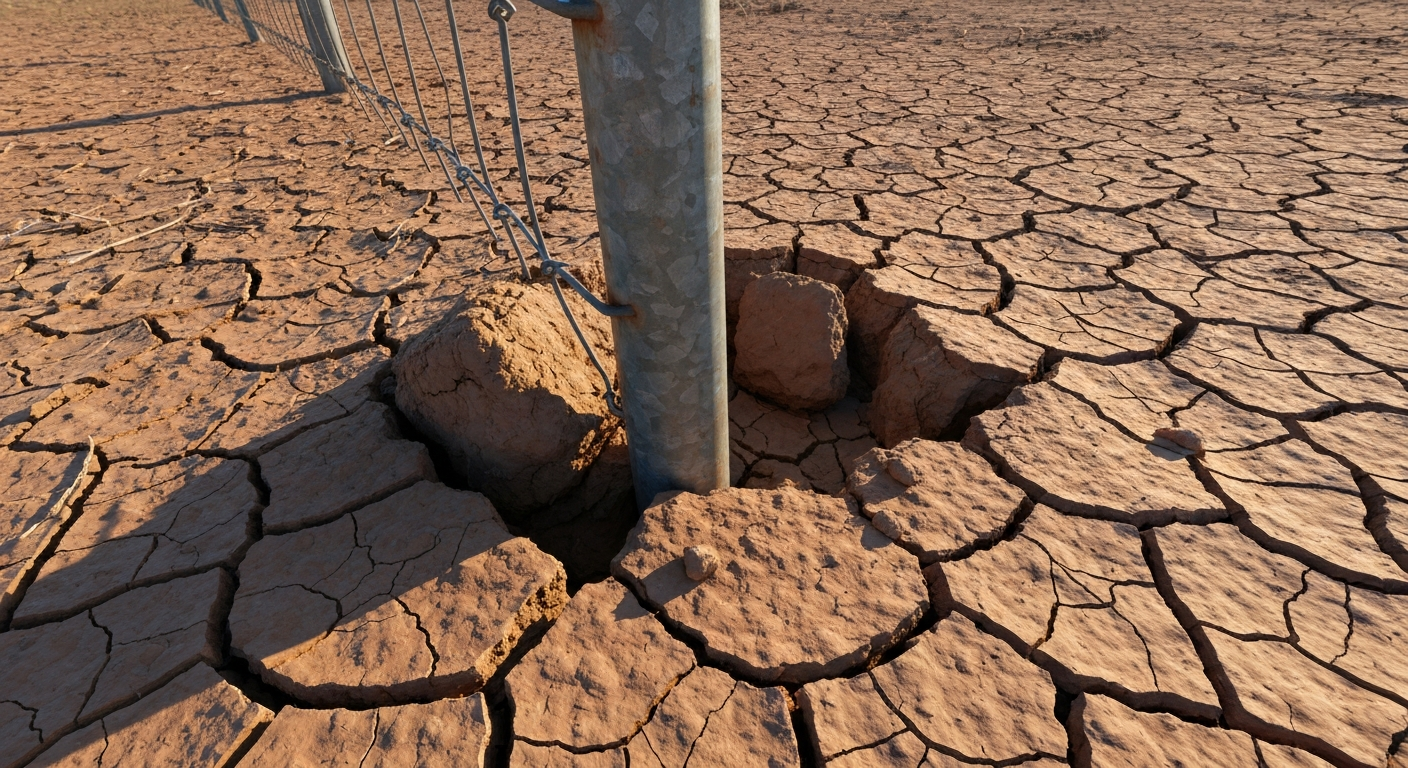
Bespoke Fencing Solutions for Unique Great Deals
Some lots seem like they were created by a surveyor with a sense of humor. Others seem like they were assembled from various years of preparation, various weather patterns, and the sort of landscape design choices that look great up until you try to position a straight line of fencing across them.
I've installed sufficient fencings to recognize this: a "common" run of panels is seldom standard on the ground. The best end result originates from treating each property like its very own layout puzzle. That's where a fence company makes its maintain, not by offering one design template, yet by building a strategy that fits the whole lot you really have, the next-door neighbors you share lines with, and the conditions that will beat up materials over time.
This is a story about custom fences for one-of-a-kind whole lots, the choices that matter, and how to avoid the common catches that transform an encouraging project into a long, pricey redo.
When "straight" isn't straight
The first point I look at unusual great deals is the facility individuals bring to the task. Lots of homeowners walk in with a mental image that presumes residential or commercial property lines behave like leader marks: one straight run here, a clean corner there, and the fence will simply follow.
Then the ground reveals up.
On a sloped lot, the very same fence height on paper becomes a staircase in reality. On a corner great deal, your "easy" limit instantly includes a sight line, a driveway strategy, and often a landscape bed that's been carefully tuned over years. On homes with easements, utility lines, or drain paths, you might be able to build a fence, yet not where your strategy initially desires it.
I keep in mind one website where the home owner demanded a constant run along the back boundary, the kind of appearance where the fencing is one long, nonstop wall surface. We walked the line with each other and measured the incline changes at multiple points. If we followed a level top rail, the lower needed to comply with the grade in a way that would certainly have eaten into the lawn and made the fencing appearance uneven where it mattered most. If we complied with quality with a regular profits, the top would have deformed aesthetically and developed odd elevations across the span.
We addressed it with a strategy that's easy to define and tougher to perform: a stepped style that matched the actual quality changes, coupled with rail positioning that kept the visual rhythm. It wasn't "flawlessly right," yet it was confidently straight in the manner in which issues, from regular checking out angles.
That's the state of mind for unique whole lots. You're not developing to an abstract plan, you're developing to exactly how the residential or commercial property reads.
The very first step: mapping constraints prior to picking style
Most individuals assume style comes first. Fencing layout, color, spacing, picket profiles, entrance equipment, all of that is enjoyable to talk about. However on a complicated lot, the design needs to adhere to the constraints.
Constraints appear as:
- line areas that move in means you can not think from an informal glimpse
- trees and root systems that alter where articles can physically go
- grade patterns that force stepping or custom footing depths
- drainage or energy easements that limit where hardware and excavating can take place
- visibility demands near corners, driveways, or pathways
The job I enjoy most is early-stage trouble addressing. It's where the fence company can save money and stay clear of headaches deliberately around the whole lot instead of battling it later.
A typical instance is post positioning. On a conventional whole lot, you might room articles according to the fencing panel size and move on. On an unique great deal, you might require a tighter or bigger spacing in choose areas because the terrain or existing structures demand it. That does not indicate the fencing looks "incorrect." It implies the format needs to be intentional, and the installer needs to be comfortable with personalized fabrication details like trimming, rail positioning, and gateway alignment.
Materials act in different ways when the great deal is unpredictable
The fencing product you pick changes just how well it endures real-world problems. Special whole lots seldom simply have one trouble. They incorporate concerns like uneven ground, wind direct exposure, wet dirt, and neighboring fully grown trees.
Here's how I consider products when the site isn't simple.
Wood: natural, however conscious movement
Wood fences blend right into landscaping in such a way vinyl and metal in some cases battle to match. Yet wood is additionally extra conscious moisture and activity. If your lot has a lot of seasonal swelling or where messages being in inconsistent dirt, you require a plan for long-term stability.
Wood can take care of stepping and shape adjustments perfectly, however it requires mindful focus to post deepness, supporting, and the way straight rails attach across uneven periods. If the job is hurried, timber will show the unevenness quicker than other materials due to the fact that the grain and placement attract your eye.
Vinyl: low upkeep, not low thinking
Vinyl is resilient and usually easy to keep, yet it does not like being forced into a layout that overlooks grade shifts. Plastic panels and posts are engineered for predictable geometry. On a whole lot with dilemma angles, uncommon problems, or quality adjustments that require great deals of tipping, you may require customized sizing, thoughtful spacing changes, or entrance framing that maintains whatever square.
An error I have actually seen is dealing with vinyl like it can be "cut on website" without repercussion. Some products enable it far better than others. The most effective installs follow the product's intent and usage field adjustments in a controlled method, not a guess-and-hope approach.
Aluminum: crisp lines, sincere geometry
Aluminum looks sharp, and it takes care of uneven designs with much less visual mass than wood or larger steel alternatives. Still, it's not unsusceptible to challenging grading. You want a design technique that maintains line-of-sight uniformity and protects against gates from combating their hinges because of incline or uneven footing.
Aluminum likewise often tends to reveal alignment issues, so post placement and rail positioning need to be accurate. When it's done right, the fence resembles it belongs there. When it's done poorly, the fence looks like it's reacting to the ground rather than managing it.
Composite and crossbreed constructs: the "ideal of" approach
Composite products and crossbreed layouts can function wonderfully on unique lots, particularly when you want the look of wood without the exact same maintenance rhythm. Crossbreeds also are available in handy when only components of a home need particular functions, like privacy where neighbors sit close, and open presence where you want airflow or view lines.
The compromise is that crossbreeds need style discipline. You can not blend parts like a craft project. The fencing system requires compatible post approaches, constant rail heights, and entrances that match the equipment strategy from the beginning.
The art of grade and height: degree tops, tipped layouts, and visual comfort
If you have actually ever before looked carefully at a fence on an incline, you'll notice something: you can see how the installer took care of grade modifications within secs. The leading railway tells the truth.
There are a couple of legitimate techniques, each with a various visual effect:
Follow quality with a tipped top
The fence fluctuates with the ground. This maintains the base line straightened to genuine terrain, usually improving just how the fence beings in the backyard. It can look superb when the steps take place at sensible transitions and the actions are sized so the fencing rhythm feels natural.
Keep a degree top, differ the bottom
This develops a clean leading line, but on steep inclines it can produce uncomfortable lower gaps or fence sections that float visually. In some cases it's the right option for the location closest to a driveway or a sight line, but it needs cautious base preparation and in some cases extra landscape combination than individuals expect.
Design a mix around essential sight points
This is what I suggest when the backyard has "sight zones." Consider it similar to this: you do not need every edge to look the same. You require the components you see on a daily basis to look intentional. A fence can tip in a different way in areas so the overall impression remains balanced from the street, the patio, and the primary stroll path.The judgment telephone call is not simply aesthetic. It's additionally regarding practicality. If you step too often or with very small increments, the fencing can look hectic. If you step inadequate on a steep location, it can look incorrect for the grade and can create drainage issues at the base.
I have actually learned to walk the lines with the homeowner. We stand where they'll stand, we look at just how the fencing leading checks out, and we decide what "excellent" means on that particular certain home. Some people want a rigorous uniformity. Others want the fence to look like it's grown with the landscape design. Both can be proper if the style sustains the selected goal.
Corner whole lots and unpleasant angles: gates, sight lines, and next-door neighbor reality
Corner great deals are where preparation begins to feel like both architecture and diplomacy.
A fence on an edge great deal usually borders streets, pathways, or driveways where exposure issues. Also when regulations are not rigorous everywhere, your next-door neighbors, your regional guidelines, and usual safety assumptions press you towards thoughtful gateway positioning and open visibility where it counts.
But corner lots additionally bring geometry issues. The fence line may not converge at a great 90-degree angle. It might angle in from a driveway, after that turn around a landscape design island, after that return along a limit line that somebody assumed was "close sufficient."
For gateways, geometry issues even more. A gate does not just swing. It needs appropriate clearance, degree support, and consistent joint positioning. On an uneven whole lot, you can't assume a gateway frame will "occupy" abnormalities. If the fencing line is custom stepped, eviction has to match that action rhythm or be framed to compensate with hardware and bracing.
One memorable job entailed a gateway that had to straighten with a paver pathway and also get rid of a drainage network. The fencing sections bring about the gate were stepped, but eviction required a steady plane for smooth procedure. We wound up mounting eviction area with a consistent height at the hinge points, while transitioning right into the tipped fencing lines on either side. It looked natural and it opened up smoothly. Most of the difficulty was crafting the shift so eviction was not fighting the ground every single time it moved.
That's where a bespoke technique makes its maintain. Standard formats are built for standard corners.
Dealing with trees, origins, and the "we'll just move the post" problem
Trees and roots turn fence installment into archaeology. You're not just locating where the message should go. You're discovering where the ground will certainly withstand you.
I have actually seen individuals presume a few inches of post shift is very easy. In some cases it is. Occasionally it means:
- you hit a root mass and can not seat the blog post properly
- the post winds up closer to an existing structure than prepared
- you develop a structural weak point in the fencing run
- the fence line drifts sufficient to look misaligned from the road
On one-of-a-kind whole lots, the answer is not always "relocate the article." Occasionally it's redesign the area, readjust the panel layout, utilize a various post location that remains within a risk-free and structurally audio area, and even pick a slightly various fence style in the tree-affected area.
When origins are thick, going around them with a clean blog post positioning can be the difference between a fencing that lasts and a fence that settles or leans within a couple of seasons. This is also where excavation deepness issues. In sandy or rocky soils, the exact same post depth can act in a different way. In compacted clay, message security can be outstanding, however water monitoring becomes crucial.
The most honest fencing style discussions include these compromises. If a person provides a one-size format with no conversation of soil actions, be cautious.
Drainage and the unnoticeable line that damages fences
Drainage is the silent villain on irregular great deals. Even if you pick the "appropriate" product and install articles completely, poor water flow can weaken the fence over time.
If water swimming pools at the fencing base, it can soften dirts, boost freeze-thaw activity in cool climates, and drive more settling. If overflow is focused, it can deteriorate soil near articles and create uneven ground shifts that you just discover after the very first winter.
Bespoke remedies commonly consist of tiny, useful steps:
- shaping the fencing base so water doesn't collect straight versus it
- planning post deepness and spacing to minimize the influence of washout areas
- integrating a crushed rock strip or small grading adjustments near prone sections
- keeping landscaping trim so vegetation does not trap dampness versus fencing product
These details hardly ever look dramatic on day one, however they shield the fence's long-lasting integrity.
I when worked with a lawn where the fence looked great, after that the homeowner called back after a heavy rain. Water had actually located a low place and rested versus the base of an area for days. The fencing did not fail right away, yet posts began to change slightly, which later became a noticeable droop. We remedied the drain path and supported the base location, after that dealt with the article alignment. The difference was prompt and the fence held steady afterward.
You can not constantly avoid drain patterns with fencing layout alone, however you can reduce the fencing's vulnerability when water will inevitably relocate downhill.
Permits, home lines, and the "procedure twice, apologize never ever" mindset
Unique great deals commonly include even more documentation and even more measurement job. Even if your project seems like "simply a fencing," regional policies can still relate to elevation, problems, exposure areas, and structure placement.
And residential or commercial property lines issue. If the lot borders are uncertain, a fence company should collaborate with study info when readily available. A fencing developed a foot inside or outside the line can create recurring disagreements that cost greater than the fencing itself.
I suggest treating the residential or commercial property line and obstacle conversation as component of the style process, not a second thought. When you design around the appropriate line, you additionally avoid uncomfortable surprises like needing to relocate a gateway after it has actually currently been framed, or uncovering a section sits as well close to an energy easement.
A lot of house owners want to start quickly. I comprehend the enjoyment. Still, excellent personalized secure fencing happens when the constraints are validated early, after that the design is developed to match the measured reality.
A sensible means to intend a personalized fencing on a distinct lot
A bespoke fencing plan is not simply a sketch. It's an approach, and it generally includes a few repeatable checks.
Here's just how I 'd think about it on day one when the site is made complex:
- confirm the fence line and any troubles using survey or dependable boundary pens
- walk the grade transitions and decide where stepping makes sense versus where a degree top is far better
- check for drainage patterns so water does not gather at message bases
- inspect trees, origin zones, and close-by structures to prepare useful message positioning
- review gate areas based upon traffic circulation, driveway method, and equipment alignment
That collection of believing maintains the task relocating. It also lowers the possibility of "design drift," where you begin with a great plan and after that alter it repeatedly when the physical constraints reveal up.
The best fence results come when the field choices are expected, not improvised.
What customized secure fencing looks like when it's done right
When a fencing is absolutely custom, it does not simply stand there. It complements the residential or commercial property's geometry and the way you relocate via it.
On irregular lots, you'll frequently discover the fencing leading rail or picket lines have a regulated visual rhythm. The blog posts resemble they were positioned for a reason, not a compromise. Gate openings really feel consistent due to the fact that the framework is straightened to a practical airplane, also if the surrounding areas step.
Landscaping additionally tends to incorporate far better. A fence that was made with the grade and the bed edges in mind typically requires much less cutting and looks cleaner around the shifts. As opposed to fighting for every square inch, you obtain a fence that values the yard's existing layout.
Most importantly, it really feels stable. You could not understand precisely what was crafted, however you can tell when a fence is secured well and when it will certainly deal with seasons without noticeable shifts.
The compromises no one intends to listen to, but everybody requires to consider
Unique whole lots hardly ever enable a perfect service that inspects every box for every single person.
A few trade-offs show up frequently:
- If you want outright uniform height throughout a steep grade, you might produce spaces at the bottom that require landscape design assistance or added style aspects.
- If you want marginal tipping for a cleaner appearance, you might require to approve extra noticeable modifications in lower clearance or base contours.
- If you want a heavy, strong privacy fence, you could need stronger framework and thoughtful drain around the base due to the fact that the fence has even more area catching wind and directing moisture.
- If you want entrances that swing smoothly, you might need to mount entrance areas more intentionally, which can somewhat change the look of nearby fence panels.
These are not reasons to compromise immediately. They're reasons to determine what matters most before setup begins.
I've watched homeowners expand distressed when they presume a fencing can be both "invisible engineering" and "totally conventional." A bespoke fencing is crafted. It's just engineered in a manner that you can not see when the end product mixes right into the property.
Questions to ask your fence company prior to they leave the driveway
An excellent fence company doesn't simply pitch products. They ask about the great deal, the behaviors of the yard, and the truths of installation.
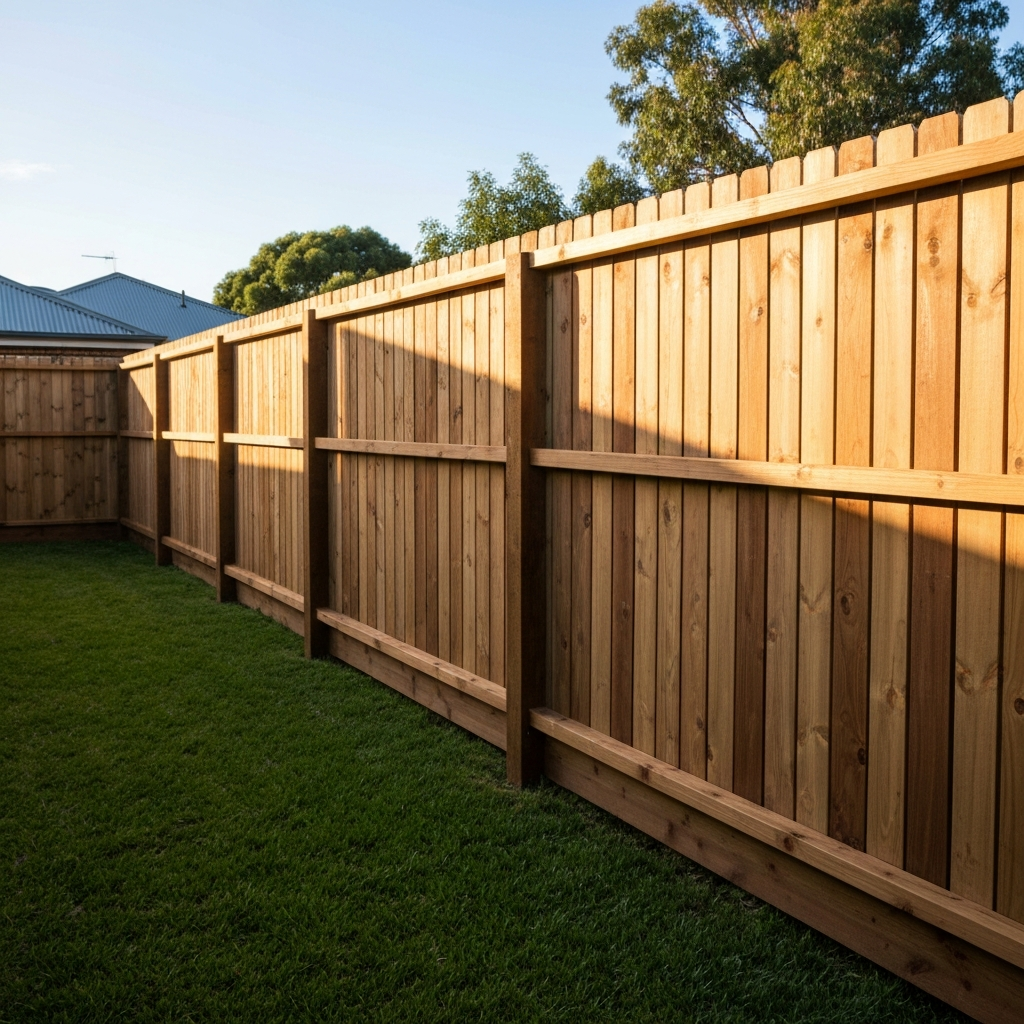
If you're hiring, these discussions can protect against a great deal of remorse. A few inquiries I would certainly suggest you bring up:
- How do you intend post positioning on inclines or around origins?
- What style decisions are driven by quality and water drainage, not by choice?
- How do you manage gate placement when the bordering fencing steps?
- Do you collaborate format with home line details and troubles?
- Can you discuss the strategy for changes where the fence line adjustments direction?
The answers tell you whatever concerning their process. You want somebody that treats your lot like a layout issue, not a catalog order.
Making your distinct lot really feel intentional
There's a minute that commonly occurs near completion of a custom fencing work. The last area enters, the gate equipment is tightened up, and the house owner walks the line. If the fencing is genuinely bespoke, you see the shift in their body movement. Shoulders unwind. People stop staring at where points might fail and begin discovering how the yard looks as a full space.
That's the real advantage of custom-made fencing on unique lots. It doesn't simply "fix" a boundary. It forms just how you experience your outside location, how you feel regarding personal privacy, just how confidently you host close friends, and how well the fencing survives the seasons that will come whether the layout was perfect or not.
A straight line matters, however so does the tale your residential or commercial property tells. When the surface is uneven, when the angle of a corner does not match the plan you began with, when drainage pulls water toward the fencing, you require a fence remedy that understands those pressures.
That's what bespoke fence options are: not limitless custom work for its own sake, yet the appropriate degree of idea, measurement, and craftsmanship to make something look natural, run correctly, and last longer than the next large landscaping idea.
If your whole lot is distinct, do not approve a common fence and hope it behaves. Request for a strategy that fits the ground you in fact have. The distinction is visible immediately, and the payback shows up every single time you stroll outside and the fencing appears like it always belonged there.