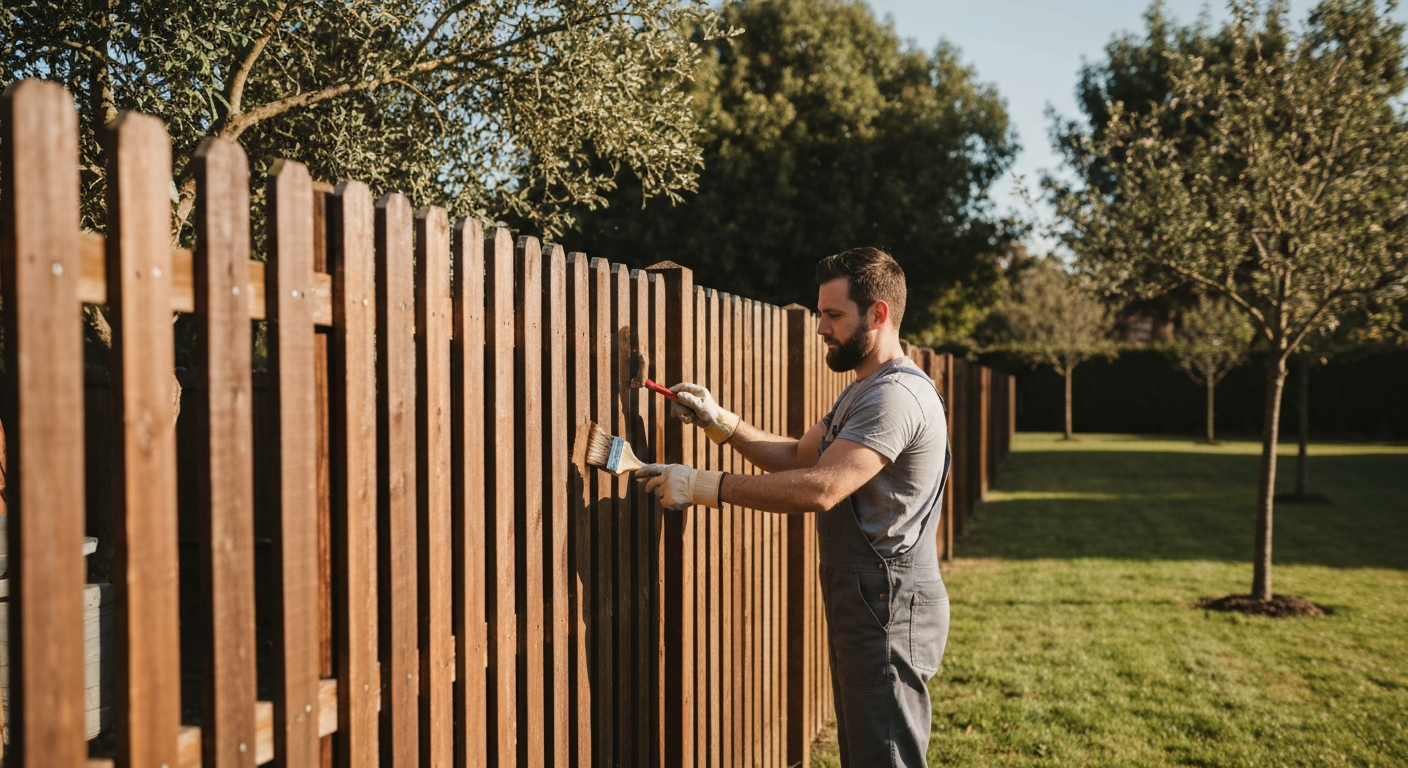
Fencing Placement and Measuring: Accuracy Issues
A fencing is intended to feel inevitable once it's up. Straight runs, consistent voids, entrances that turn without scratching, and posts that look plumb from the driveway without you having to "train your eyes" to forgive flaws. The trouble is, fencing quality begins long prior to the very first post enters the ground. It begins with measurement discipline and placement choices made under genuine site conditions.
If you have ever viewed a fencing company leave a work site with the crew sensation proud, only for the house owner to discover an uneven line 2 weeks later on, you know it returns to principles. Not elegant advertising and marketing. Not a better paint system. Simply precision, performed regularly, particularly when the ground refuses to cooperate.
This is a functional, field-oriented check out what in fact goes wrong, what to watch for, and exactly how fencing contractors protect straight runs when the survey stakes, residential or commercial property lines, inclines, and gateways all collide.
The concealed cost of "close adequate"
On paper, a fencing looks basic. You determine from point A to point B, you set articles at the right spacing, and you connect rails and panels. In the real life, you're handling:
- uneven ground that alters reliable article height and spacing
- corners where offsets matter more than you think
- gates that require exact geometry or they bind
- old sites and incomplete study marks
The "close sufficient" frame of mind turns up in subtle decisions: a slightly relaxed string line, a tape measure that's not held tight, a blog post established a few inches off center, an edge measured from the wrong recommendation factor, or a gateway frame mounted after the fence line has already drifted.
Those inches do not stay inches. They compound.
A fence that's off by a portion of an inch at every article can end up being noticeably uneven after a dozen bays. Furthermore, a fencing line that is "almost" square at the edge can force gates right into uncomfortable angles, leaving equipment to work harder than it should.
If you manage tasks, you know the fastest way to lose trust is to deliver something that technically fulfills requirements yet looks incorrect from the initial glimpse. Fence alignment is among the most convenient locations for that to happen.
Measuring is a system, not a moment
Most do it yourself fence headaches start with a single brave dimension. Someone extends a tape, composes a number down, and thinks that's the whole strategy. That's not just how specialist fencing contractor job holds up under scrutiny.
Successful measurement is a system of reference points. You select a baseline, you develop a dependable technique to carry it via the job, and you confirm at several phases so the numbers remain coherent.
Here's the straightforward idea: if your measurement changes while the fence is being built, alignment will stop working even if every private measurement "appears correct."
A regular professional method utilizes these principles:
When a Fence company does this well, the ended up fence looks effortless. When they do not, the fence could stand, but it will certainly telegram the effort through misaligned panels, unequal spacing, and gates that never rather behave.
Establishing the fence line: standard discipline
Before anybody sets a blog post, the standard matters. "Standard" seems official, yet it's just the line you're developing from, the one you can trust.
Start with property line decisions. If you are functioning from significant risks, confirm they match the intended fencing area. If you're setting a fence obstacle, verify the setback range from the very same recommendation made use of for the stakes. It's easy to measure the obstacle from a distance you assume is right yet isn't. The difference between "from the corner" and "from the balanced out line" can be the difference between a legal fence and a fencing that ends up in a dispute.
Then, deal with the baseline like a track. Once it's established, you must be able to draw a string line, re-measure from it, and anticipate the exact same results.
On a windy day, string lines get pushed. On uneven ground, string lines sag. If the string line is sagging, it's producing an incorrect reference. You can compensate, yet you have to do it deliberately.
I've seen crews anchor the string line to risks that were too near the dig marks. After a couple of postholes, those risks shifted or were jostled. The fence line didn't "move," however the reference did, and everything downstream became subtly wrong.
Baseline discipline means your recommendation remains where you put it.
Tape dimension strategy that actually protects against errors
A measuring tape can be one of the most truthful device on site, yet only if it's used properly. An unexpected variety of placement problems come from technique, not math.
I intend to call out a couple of method truths:
- Measure from the exact same face every single time. Tape "zero" can be balanced out if you are determining from a hook, a notch, or the incorrect side of a determining tool.
- Keep the tape right and under stress. A somewhat relaxed tape looks harmless until you contrast two measurements taken differently.
- Avoid measuring over soft ground where the tape rests and sinks. That transforms the path length.
- For longer runs, tapes can stretch, particularly if saved poorly. If you discover a measurement that doesn't integrate with a known measurement, do not compel it. Stop and verify.
The point is not that you require lab-grade tools. The factor is that dimension technique should be consistent throughout the task. Uniformity is what safeguards alignment.
Corners and squareness: where little mistakes end up being huge visual problems
Corners are where fencings either look specialist or look "sewn together."
A fencing edge is not simply two lines meeting. You're likewise handling a change in direction, the geometry of blog posts, and the demand that rails and panels land where they should. If the edge is somewhat out of square, you can still build something that appears alright from a range. After that, when you take a look at the panel seams or gateway voids up close, the mismatch comes to be obvious.
There are two usual causes I see in the field:
If you appreciate placement, verify corners with a geometric check. The classic approach is diagonal contrast: if the corner is square, the diagonals between 2 referral factors need to match within an appropriate resistance. The tolerance relies on products and how stringent you desire the visual result, however the principle is stable.
When a fencing company wants a tidy look, they validate edges before dedicating fully run. Fixing an edge after articles are established is a lot more costly, and it's more challenging to make it "appropriate" without leaving a hideous compromise behind.
Post spacing and rail format: precision is cumulative
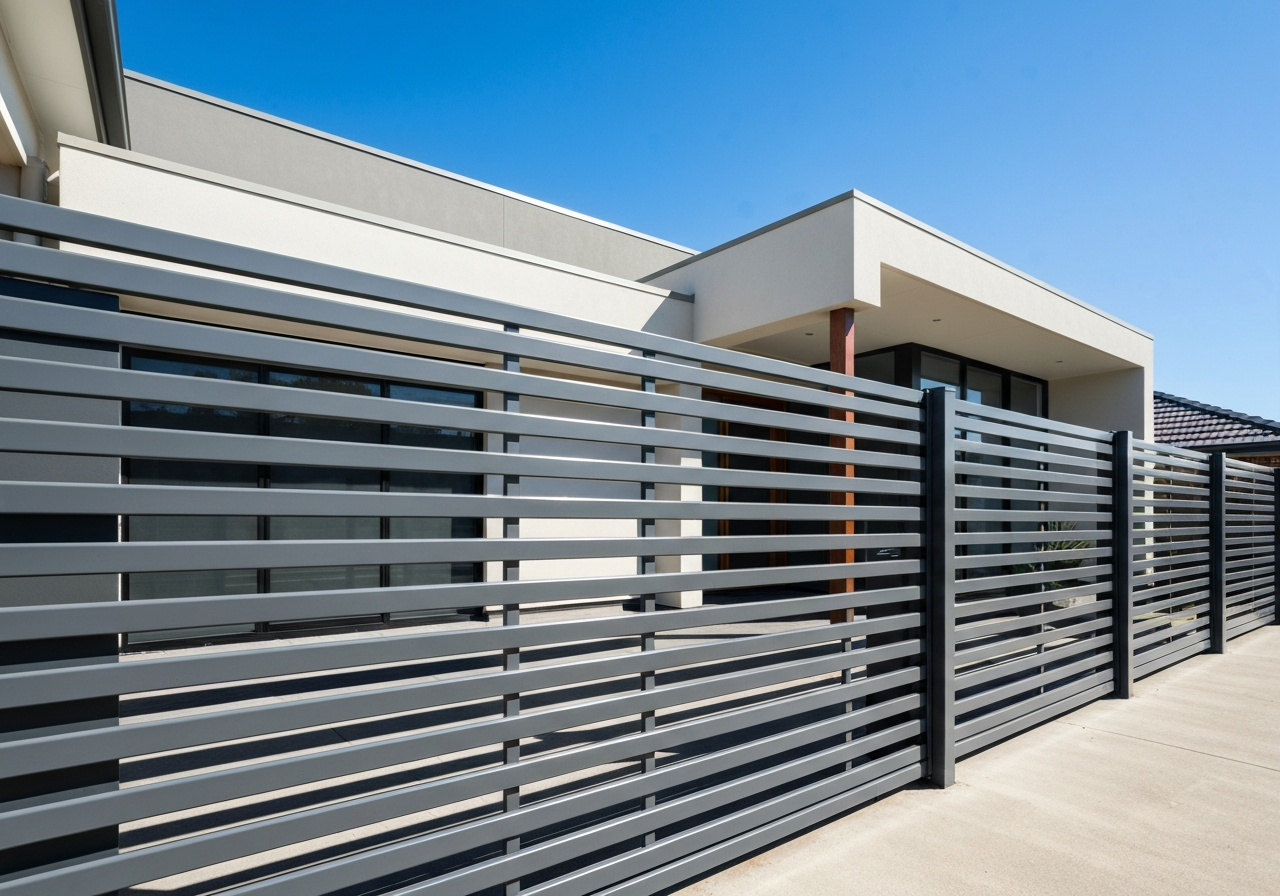
Even if your fencing line is directly, your post spacing can still undermine the appearance. Spacing impacts panel fit, rail alignment, and exactly how eviction frame lines up with the fence opening.
Think of each spacing as a link in a chain. If one message is off by a couple of inches, the rails between messages start soaking up the mistake. Relying on the system, that might result in:
- panels that do not line up to each other
- uneven voids between pickets
- rails that look a little twisted
- gate openings that require hostile adjustments
Professional staffs handle this by managing where each blog post must land and double-checking spacing prior to excavating. They additionally handle layout to make sure that any required "end cut" or tolerance adjustment is planned, not improvised.
It's worth stating clearly: you can not rely upon the end panel to amazingly correct for cumulative design drift. Often you can trim or change, however when you keep changing the plan to chase the error, your positioning options get much less dependable over time.
Gate openings: alignment isn't optional
Gates subject every measurement error because they include activity and hardware lots. A panel that's off by a percentage may still look acceptable on a fence run. A gateway that's off by the exact same amount can bind, scratch, lock crookedly, or need longer adjustments that do not completely address the geometry.
Gate precision boils down to two points:
- the fence opening size at the joint and latch locations
- the placement of the gate structure to the fence line
Here's the useful fact. Even if you set the articles at right spacing, if your entrance opening was determined from the wrong recommendation face or if one surrounding article is a little wrong, eviction can end up requiring equipment modification that looks messy.
The common lure is to "make the gate job" after the fence is constructed. Sometimes that works within a resistance range. Various other times, you end up with a gateway that never really feels smooth to operate.
If you are a homeowner dealing with a fence company, ask exactly how they deal with gate format and whether they validate angled measurements at the gate opening. If you are the job supervisor for fencing contractors, develop that confirmation into the workflow as opposed to wishing for the best.
The measurement checks specialists do on site
When you enjoy seasoned staffs, you can frequently forecast quality by the number of times they confirm before they commit. They don't confirm for sport. They confirm since remedying early is more affordable than dealing with after the concrete sets.
Here are a couple of checks that show up consistently on well-run tasks:
- Confirm the baseline can be re-stretched to the very same position after stakes and string lines are disturbed.
- Verify diagonal measurements at corners to verify squareness prior to boring or establishing all edge posts.
- Re-check gateway opening up width at both ends of the opening, not just at one point.
- Measure from a regular referral face for every bay so post spacing doesn't "slip" throughout layout.
- After messages are established, verify that the line of articles matches the intended fencing line before rails go on.
Do these checks and your alignment ends up being predictable. Miss them and you'll be improvisating while the concrete is still wet, or worse, after it's hard.
Two methods positioning can fail: line-of-posts vs. Panel-level truth
A fence can be lined up in one sense and incorrect in an additional. Experts assume in layers.
You can deal with panel alignment with rail change. You can occasionally correct message line with article moving. However you can not completely fix a fence that has both concerns simultaneously without visible compromises.
This is why fence positioning is greater than "getting the messages straight." It's about controlling the geometry to ensure that downstream parts can be set up without forcing them into alignment.
When surface battles you: inclines, dips, and how to maintain it looking intentional
Uneven ground is typical. The concern is whether the fence steps in a regulated means or "complies with the dust" in a messy pattern.
Some systems are made for incline with step-down spacing. Others need a constant article elevation and a stepped rail technique. The measuring method changes depending on the selected strategy.
An usual positioning failure occurs when crews measure post places correctly on the horizontal aircraft however then set up posts without a consistent upright reference. Panels and rails end up unequal because the messages were set to the ground instead of an intended elevation profile.
On a sloped backyard, you ought to make a decision early:
- Are you stepping the fencing elevation at regular increments, or are you complying with the terrain with a smooth appearance?
- How will certainly eviction threshold be handled about the fencing line profile?
If you're negotiating with a fence company or monitoring fencing contractors, the most important thing is to clarify the intended look before installment. A fence that "jobs" from a design perspective can still look incorrect if the elevation profile had not been planned.
The four measurement mistakes that set you back time and trust
Most placement troubles are not mysteries. They are repeatable errors.
- Measuring from different recommendation factors on different days, such as switching from one standard risk to one more without recognizing the offset.
- Letting a string line droop or get pressed by wind, then thinking the fencing will be directly since the risks remain in the right place.
- Assuming corners are square based on aesthetic inspection as opposed to confirming diagonals.
- Relying at a time modifications to fix for advancing article format drift across a lengthy run.
Those blunders transform "must have been a tidy work" into "we'll repair it after we established every little thing," which is how spending plan and timetable slip.
A fast, practical guide for maintaining alignment throughout installation
You can't ice up the site. Weather changes, staffs relocate, and stakes get bumped. So you need an installment rhythm that maintains alignment without slowing down the task to a crawl.
I generally assume in terms of maintaining the fence line recommendation active via each stage, specifically after any type of excavation or post-setting.
When you change from layout to excavating, do a last baseline check. When articles are established, verify the line of blog posts prior to mounting rails. When rails are set up, re-check spacing and placement at panel joints, since that's where little errors end up being visible.
Finally, confirm entrance alignment prior to the gate hardware is completely dedicated. Gates are much easier to take care of when you can still adjust structure placements and hardware installing points.

If you are collaborating fencing contractors, emphasize that alignment checks become part of production, not disturbances to production.
Measuring for panel fit: planning tolerances, not wishing for them
Even with the best layout, you often require tolerance preparation. Fencing products, article embedment midsts, and ground problems present actual variability.
The expert attitude is not "make every bay excellent." It's "construct regular bays and plan completion therapy so the fencing still looks willful."
That commonly suggests:
- confirming end-to-end run length
- calculating how many conventional bays fit
- deciding where any kind of modification will certainly take place, usually at the ends or at a change point that's less aesthetically exposed
A good fence looks straight and constant. An excellent dimension without any resistance strategy can cause finish panels that are either too narrow or call for extreme reducing that looks uneven.
When working with a Fence company, take notice of exactly how they handle the last bay. If they seem uncertain or improvisational, that's a sign they might be chasing alignment rather than regulating it.
Concrete basics: embedment and alignment in genuine conditions
Once you dig holes and pour concrete, alignment ends up being harder to transform. That doesn't mean placement is difficult, but it raises the cost of corrections.
From a functional point ofview, message positioning after placement depends upon:
- how you position the post before setting
- how you support it while concrete cures
- whether dirt conditions change as you pour
On loosened dirt, blog posts can wander under their very own weight or under stress from putting. On frost-prone areas, freeze-thaw and embedment depth can transform just how the fencing does over time. Also if we stay focused on alignment, embedment security belongs to what maintains that line-of-posts reality intact.
The finest staffs support appropriately and confirm straightness prior to completing the pour. They do not assume that due to the fact that the blog post was directly when it was held by hands, it will remain right after concrete settles.
What property owners notice first, and why it matters
Most house owners do not get up and examine a standard. They discover the fence where they walk, drive, and look out a window.
They notice:
- whether panels align across runs
- whether gaps look even
- whether eviction sits square and shuts smoothly
- whether the overall line looks right, specifically at corners
This issues due to the fact that it enhances the sensible placement concerns. A fence that's mathematically proper but visually off at edges or entrances can still really feel "wrong." Likewise, a fence that's slightly imperfect near an end could be neglected if the main runs look clean and the gate operates smoothly.
A fencing contractor who understands this can focus measurement and placement effort where it repays visually, without ignoring fundamentals.
Balancing rate and precision without compromising quality
People frequently think that precision slows the job. In method, accuracy can speed it up by lowering rework.
When placement is set up well, crews install rails and panels without dealing with to make them fit. The time conserved comes from less adjustments, much less cutting, less call-backs, and less "we need to inspect that again" conversations.
But speed without measurement technique does the contrary. It adds labor later on when the fencing doesn't meet assumptions. It likewise includes anxiety, due to the fact that when the concrete is established and the line is off, the staying options are limited and a lot more expensive.
If you desire a fencing that looks right and stands up, treat dimension accuracy as production efficiency, not a luxury.
Choosing that to employ: concerns that reveal competence
If you are reviewing fencing contractors or a fence company, you desire signals that measurement and alignment are treated like design, not guesswork.
Here are a few questions that cut through marketing:
- How do you develop and confirm the baseline and corners?
- Do you check diagonal dimensions at corners and gate openings?
- How do you take care of incline so the completed fence looks deliberate, not improvised?
- What is your strategy for completion bays and resistance planning?
Strong solutions normally mention verification actions, consistent referrals, and how they take care of placement via setup phases.
A fencing can be developed quickly by anyone with the right devices. A straight-looking fencing constructed with foreseeable positioning is constructed by individuals that value measurement and geometry.
Final thought: precision is what individuals pay for
Fence alignment is among those points that feels subjective till you compare two jobs side-by-side. The distinction is instant. One fencing looks clean and composed, the other resemble it's considering being straight.
That isn't preference. It's measurement self-control, corner geometry, entrance layout, and the persistence to confirm before concrete sets.
Whether you're a house owner intending a new limit or an expert collaborating a task, reward accuracy like a genuine requirement. Not an afterthought. Not a hope. The straight line you see at the end is the result of many decisions made properly at the beginning.
And if you get that right, the fencing does what it's supposed to do: stand quietly, festinate, and make the residential or commercial property really feel finished.