
Whipped Cream Chargers for Vegan and Dairy-Free Recipes
Whipped cream without the cow is no longer a compromise. With the best base, a clever strategy to fat and emulsifiers, and a dependable battery charger configuration, you can pipe shiny heights onto pies, fold clouds right into mousses, and surface cocktails with a silky cap that holds. The technique is comprehending just how laughing gas interacts with dairy-free liquids, after that picking active ingredients that simulate what dairy does so normally. I have whisked, shaken, and splashed my means via every plant milk and oil pairing you can think of. Some work out of eviction. Others require a nudge. A couple of are doomed from the beginning. This overview distills the success, the near-misses, and the strategies that make vegan foam not simply feasible, yet repeatable.
Why cream chargers matter for plant-based whipping
Whipped cream chargers use nitrous oxide to dissolve right into a fluid base, then increase and freshen that base right into foam when you press the lever on a dispenser. Dairy products lotion makes this simple due to the fact that it has a high saturated fat web content, milk healthy proteins that support bubbles, and an all-natural equilibrium of water and fat. Plant-based choices lack that precise framework. If you want steady, spoonable foam, you have to construct those buildings into your base. That is where whipped cream chargers radiate. They create microbubbles quickly, even in a vegan combination, given your base has sufficient fat, a good emulsifier, and a touch of stabilizer.
If you currently possess a dispenser, your path is straightforward. If you are new to cream chargers, you will work with little single-use cartridges commonly called cream chargers, or N2O cream chargers. These Laughing gas cream chargers infuse gas right into a sealed canister, dissolving into the fluid under stress. When released, the gas expands and whips the fluid right into foam. Straightforward, yes, yet really conscious proportions, temperature level, and viscosity.
Building a vegan base that actually whips
Fat makes foam steady. For dairy-free whipping, aim for 20 to 30 percent fat by weight in the base. Below that array, the foam will break down. Over it, you will certainly get oily, heavy results and bad gas absorption. Within that home window, the very best structure comes from fats that are semi-solid at refrigerator temperature level. This is why coconut cream works so well. It firms up in the chilly, catches gas, and thaws easily on the tongue.

Coconut is not the only choice. You can blend lighter plant milks with neutral oils and a stabilizer gel to obtain the luster and lift you want, without coconut taste. Soy, oat, and pea protein milks bring healthy proteins that aid hold bubbles. Cashew milk brings body and subtle sweetness. Almond milk is fragrant yet frequently as well slim unless you enrich it.
A fast proportion I go back to for neutral, non-coconut whip: 2 components full-fat soy milk, one component refined coconut oil, plus a little portion of sugar and stabilizer. Warm to emulsify, cool overnight, then fee. It acts like dairy products in a dispenser and pipes neatly, with better durability than simple coconut lotion alone.
The duty of emulsifiers and stabilizers
Dairy products casein and whey that naturally maintain foams. Plants require a bit of aid. You do not require a lot, simply a nudge to keep structure and avoid weeping.
A tiny dosage of xanthan gum, around 0.1 to 0.2 percent by weight, tightens up the base so it holds gas without ending up being gummy. Agar sets when cooled, which can be useful for firmer shapes, though excessive will produce a gel, not a foam. Locust bean gum tissue plays well with xanthan for creaminess. Lecithin, whether soy or sunflower, is a timeless emulsifier that assists fat and water cling to each various other. A little amount of methylcellulose (particularly F50 or comparable) can add heat-stability for warm desserts, yet it alters the mouthfeel and requires testing.
If you like off-the-shelf simplicity, use tinned coconut lotion with at least 20 percent fat and little water separation. It already has sufficient saturated fat to foam well with a battery charger. For coconut-averse tastes buds, mix soy milk with refined coconut oil or high-oleic sunflower oil, after that emulsify with lecithin and boost with xanthan. Refined coconut oil lugs virtually no coconut fragrance and sets perfectly in the refrigerator, making it a stealth stabilizer.
Temperature, the quiet deal-maker
Gas solubility increases as temperature drops. Cool your base to refrigerator temperature, ideally 3 to 5 degrees Celsius, for at the very least four hours, and even better overnight. Cool the dispenser body also. A chilly mixture absorbs more nitrous oxide, which indicates denser, better bubbles and far better volume. Cozy bases whip badly, leak fluid, and turn spongy.
Viscosity likewise rises in the cold. This matters because dispensers count on appropriate flow. Too thick, and the foam obstructs the nozzle. As well thin, and the foam surges and collapses. When in doubt, aim for the uniformity of heavy cream prior to chilling, after that reassess after the chilly enlarges it.
How N2O operates in a dairy-free context
Nitrous oxide liquifies in fat and water, after that flashes out as pressure releases, developing microbubbles. In dairy lotion, fat globule membranes and milk healthy proteins latch around those bubbles. In vegan bases, you have to give equal scaffolding. Fat crystals from coconut oil or cacao butter form a partial network around bubbles. Healthy proteins from soy or pea cling to interfaces. Hydrocolloids like xanthan and locust bean gum tissue develop a net in the water phase that slows drain. Together, they act like the missing casein micelles.
N2O also includes mild sweetness on the palate and minimizes the assumption of level of acidity. This can discreetly shift taste balance, which is why lemony treats often taste rounder with a nitrous whip on the top. It is a little result but noticeable if you calibrate dishes tightly.
Choosing your tools wisely
Cream dispensers can be found in 250 ml, 500 ml, and 1 litre sizes. For home chefs, 500 ml strikes the wonderful area: sufficient volume for household desserts, not so big that you struggle to finish a batch before it sheds power. Stainless steel dispensers are a lot more long lasting and tolerate warm fluids if you check out hot foams later on. Light weight aluminum is lighter and penalty for cool applications.
As for cartridges, conventional N2O cream chargers consist of about 8 grams of gas. Most 500 ml dispensers take one cartridge for lighter foams and 2 for stiffer tops. Vegan bases typically benefit from two, since gas absorption can be much less effective without dairy products healthy proteins. Constantly follow your dispenser's directions and stay clear of overcharging. You want great oygenation, not a gas bomb. Maintain a small set of designer suggestions on hand: a straight pointer for portable rosettes and a star pointer for even more aesthetic lift.
Techniques that prevent one of the most usual failures
If your foam hisses out as a thin spray and divides, the base is also thin or also warm, or it lacks fat and stabilizer. Include a small amount of xanthan, chill much longer, and check fat percent. If your foam sputters thick clumps, it might be also cool and collection, or it has actually gelled. Thin with a splash of plant milk, shake carefully, and test once more. If the charger seems spent too soon, you might have undercharged. Charge with one cartridge, shake, chill a few mins, after that include the second and drink again. Constantly drink between uses to rearrange gas.
A little blender or immersion blender is your friend. Emulsify oils right into plant milks while warm, then awesome. The far better the solution, the better the foam. Stress the base with a great screen before you put it into the dispenser. Any type of grit, seed specks, or zest threads will obstruct the nozzle.
A coconut-forward whip that does not taste like sunscreen
Canned coconut lotion can be marvelous if you handle the sweet taste and use acid to brighten it. Check the tag. If water leads the ingredient list, keep looking. You want coconut extractives with a fat percent north of 20.
Warm 250 ml coconut cream with 20 to 30 grams sugar and a pinch of great salt simply until the sugar liquifies. Whisk in 0.2 grams xanthan and 0.6 grams lemon juice or a moderate vinegar. Cool overnight in your dispenser. Fee with two N2O cream chargers, tremble 10 secs, examination, and adjust with a fifty percent fee just if needed. That tiny hit of acid reduces the hefty note. The salt snaps flavors into focus. The result persuades smoked pineapple, chocolate mousse, and coffee drinks.
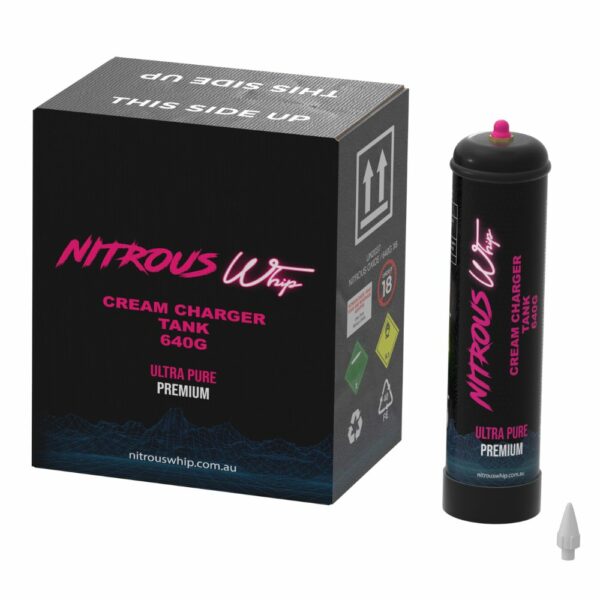
Neutral, pipeable vegan whip for bread work
For a tidy backdrop, I count on a soy base with refined coconut oil. It provides the framework of dairy products without a noticable aroma. The measurements listed below match a 500 ml dispenser and create a steady foam that holds on tarts and cakes.
Warm 200 ml unsweetened soy milk with 50 ml water, 45 grams sugar, 1.5 grams soy or sunflower lecithin, 0.35 grams xanthan, and 60 grams improved coconut oil. Blend until glossy and completely emulsified, then include 2 ml vanilla extract and a pinch of salt. Strain and chill over night. Cost with two N2O cream chargers. This base pipelines nicely and takes on area temperature level service for about 20 mins. If you need sharper tops, include 0.1 grams extra xanthan next time. If you taste coconut, switch the fat to cocoa butter split with high-oleic sunflower oil, roughly 40 grams cacao butter and 20 grams sunflower oil, and reduce sugar by 5 grams to keep the sweet taste balanced.
Oat milk coffee cap with café-level texture
Barista-style oat milks typically contain included oils and stabilizers, which assists. For a cappuccino cap that drinks like dairy foam yet continues to be vegan, you want creaminess without clumps, and a reduced fat percent than bread whip. Purpose around 12 to 15 percent fat so the foam falls down pleasantly in hot coffee instead of floating like a meringue.
Blend 250 ml barista oat milk with 20 grams light syrup, 0.2 grams xanthan, and 25 grams fine-tuned coconut oil or ventilated chocolate butter. A micro-squeeze of lemon juice brightens flavor. Chill in the dispenser, fee with one N2O cartridge, shake, then test in a warm cup. If the foam peters out as well swiftly, add a second cartridge. Since this foam fulfills heat, it ought to be slightly looser than dessert whip. It crowns a cortado beautifully and does not divide the coffee.
Aquafaba: the light-weight lifter with limits
Aquafaba, the liquid from cooked chickpeas, whips like egg whites under a stand mixer. Inside a dispenser, it can foam, but the lack of fat ways vulnerable bubbles that weep. If you want a pure aquafaba whip from a charger, add sugar for framework and a small amount of hydrocolloid.
Reduce aquafaba by simmering until it enlarges slightly, after that great. For 200 ml lowered aquafaba, dissolve 40 grams sugar and 0.2 grams xanthan. Add a few drops of lemon juice or cream of tartar. Stress, cool, and fee with one N2O cartridge. The foam is airy and clean, excellent for fruit bowls and sour cocktails. Expect much shorter hold times than fat-based whips, generally 5 to 15 minutes prior to recognizable drainage. For masterpieces, it is much safer to whip aquafaba with a mixer and pipeline immediately.
Savory vegan foams for appetisers and mains
Chargers are not only for desserts. A pea mint foam on chilled soup, a roasted pepper espuma on crostini, or a silken tofu aioli that seems like mayo but sprays gently onto smoked veggies all take advantage of N2O.
Silken tofu forms a stable, dairy-free base with plant proteins that cling to bubbles. For a mouthwatering tofu foam, blend 200 grams silken tofu with 40 grams olive oil, 20 grams lemon juice, 15 grams white miso, 0.2 grams xanthan, and a sprinkle of water to readjust viscosity. Period with salt and a touch of garlic oil. Stress, chill, and cost with 1 or 2 whipped cream chargers depending on firmness. It pipes tidy lines and couple with roasted beetroots or raw asparagus. Swap miso for smoked paprika and sherry vinegar for a grilled corn meal. Usage fine-tuned oils for neutral flavor, additional virgin for vibrant finishing.
Flavor strategy that appreciates fragile foams
Charged foams concentrate fragrance. Overdo removes and you get a synthetic strike. Usage real vanilla paste, citrus zest infused right into the base while cozy, or small amounts of liqueur. Alcohol thins the base and undercuts foam if you include way too much. Maintain total alcohol under 2 percent by weight for dessert whips. Acids brighten sweetness and counter coconut. Salt is not optional, even in wonderful whips. A pinch makes cocoa pop and decreases the taste of gums.
Chocolate whips need chocolate butter or added fat, because cacao powder alone dries the base. For a chocolate coconut whip, dissolve 20 grams cacao powder and 45 grams sugar right into 250 ml coconut cream while warm, add a pinch of espresso powder, after that whisk in 0.25 grams xanthan. Chill and bill with 2 cartridges. The foam sets quick and flirts with mousse territory, which is specifically what you want on profiteroles.
Understanding gas option and safety
For dairy-free whipping, N2O is the right gas. CO2 creates carbonic acid in remedy, which tastes sour and yields larger, prickly bubbles. Get carbon dioxide for soft drink siphons. Stick to N2O cream chargers for any emulsified foam meant to imitate whipped lotion. Get reputable brand names so gas quantities correspond. A high quality cartridge consists of around 8 grams of Nitrous Oxide. Foams that let down often map back to underfilled or dripping cartridges.
Do not inhale from battery chargers. It is hazardous and illegal in several regions to supply N2O for recreational use. Store cartridges in a trendy, completely dry place. Throw out empties in metal reusing where accepted. Never ever overfill a dispenser with liquid. Leave a minimum of one 3rd headspace for gas to expand and mix.
Troubleshooting diary from a test kitchen
When I initially tried oat milk with olive oil, the foam came out grassy and soft, then divided right into a slim puddle. The solution was twofold: switch over to high-oleic sunflower oil for neutral taste, and include lecithin to hold the emulsion. With that said modification, the foam held for about 25 minutes on a room-temperature tart before any type of slumping.
On a hot day, a coconut whip that acted in the refrigerator transformed slushy at a picnic table. The offender was ambient warm and straight sun on the metal dispenser. Keeping the cylinder in a tiny cooler with cold pack extended hold time to over an hour, and piping onto cold plates helped the optimals stay sharp.
A chocolate foam maintained clogging the star pointer. I had actually not sorted the cacao, and microscopic swellings turned into a paste at the nozzle. Sorting the chocolate and straining the base addressed it quickly. It sounds noticeable, yet it is the little oversights that cost time during service.
Shelf life and storage
A billed dispenser maintains foam stable in the fridge for 2 to 3 days for fat-based recipes. Plant proteins and emulsifiers slow splitting up, yet you will still see some settling in time. Shake gently before giving each time. Aquafaba foams lose top quality after day one and transform beany if held too long. If you anticipate to save, utilize fine-tuned coconut oil or cacao butter in the base to give structure throughout refrigeration.
Do not ice up a charged dispenser. The expansion threats harmful seals or creating leakages. If you desire frozen appearances, give onto a tray and freeze dollops individually, after that serve as semi-frozen quenelles. The texture lands between ice cream and marshmallow.
Pairing concepts that make vegan foam the star
Coconut whip enjoys acid and smoke. Attempt charred mango with lime zest and a pinch of chili salt, covered with a coconut rosette. Soy-based neutral whip beams with berries emaciated in a tablespoon of sugar and a sprinkle of completely dry vermouth, the herbal note raising the fruit. Chocolate foam belongs with baked hazelnuts and a quick espresso drizzle. Full-flavored tofu foam turns barbequed zucchini right into something you bear in mind the next day, especially if you completed with lemon oil and flaky salt.
In alcoholic drinks, a stabilized aquafaba foam sweetened lightly goes on a bourbon sour, while an oat milk coffee cap on cool mixture makes a coffeehouse treat at home. Little touches issue. A microplane of citrus peel over the foam releases oil that perfumes each sip without changing texture.
The business economics and sustainability angle
Plant-based foams are not just a holiday accommodation for dairy-free visitors. Active ingredients price can be lower than milk lotion when you acquire smart. A litre of unsweetened soy milk and a little tub of refined coconut oil stretches throughout several batches. Quality N2O battery chargers include a limited price per offering, normally a few cents, relying on vendor and region. Waste reduces since the dispenser allows you store extra base under pressure. You are not stuck to a dish of decreased leftovers.
From a sustainability viewpoint, plant-based fats carry various impacts. Oats and peas have a tendency to fare better than almonds on water use. Coconut manufacturing differs by area and methods. If you run a business, checklist the base fat plainly for allergens and preference, and offer a minimum of one non-coconut alternative for those that prevent it.
When a hand whisk defeats a charger
There are times when a stand mixer or immersion blender fits the work better. Very thick, gelled emulsions do not benefit much from N2O. If you desire a dense mousse rather than a sprayable foam, whip aquafaba or a soy custard base the traditional way. Chargers stand out at speed, clean dosing, and fine-bubbled structures that feel modern-day. They are less beneficial for rustic globs that count on partial coagulation and large air pockets.
A portable process for consistent results
- Emulsify cozy: mix plant milk, fat, sugar, emulsifier, and stabilizer while warm, after that strain.
- Chill completely: refrigerate base and dispenser till extremely chilly, ideally overnight.
- Charge smart: utilize one N2O cartridge for light foams, 2 for stronger peaks, trembling after each.
- Test and change: give a percentage, check hold, add a touch of stabilizer following batch if needed.
- Store cold: keep the billed dispenser in the fridge and re-shake before serving.
Three field-tested dishes you can count on
Coconut-lime treat whip: Cozy 250 ml coconut lotion with 30 grams sugar and a pinch of salt. Whisk in 0.2 grams xanthan and 1 gram finely grated lime enthusiasm, after that add 5 ml lime juice off warm. Pressure, chill overnight, fee with 2 cartridges. Offer on pineapple carpaccio with toasted coconut chips.
Neutral pastry whip: Blend 200 ml soy milk, 50 ml water, 60 grams improved coconut oil, 45 grams sugar, 1.5 grams lecithin, 0.35 grams xanthan, a pinch of salt, and 2 ml vanilla. Cozy simply to melt, mix, strain, chill, after that charge with 2 cartridges. Pipeline onto berry tarts. Holds 30 to 45 mins at area temp relying on humidity.
Chocolate coffee foam: Whisk 20 grams Dutch cocoa and 45 grams sugar right into 250 ml coconut lotion while carefully warming. Add a pinch of salt and 0.25 grams xanthan, plus 1 gram coffee powder. Strain, chill well, and cost with two cartridges. Superb over baked pears or profiteroles.
Edge situations and how to handle them
Low-sugar diets: Sugar supports foam and influences viscosity. If you decrease sugar, boost fat a little or add a bit much more xanthan to compensate. Consider allulose or erythritol, which include solids without the same sweetness profile, though erythritol can crystallize if utilized heavily.
Nut allergies: Avoid almond or cashew milks. Soy and oat remain trusted. For included creaminess without nuts, attempt pea protein milk or a mix with rice milk plus improved coconut oil.
No coconut oil allowed: Use deodorised cacao butter cut with sunflower oil. Chocolate butter alone sets also strongly and fractures in the cold. A 60 to 40 split gives a smooth collection and tidy melt.
High warm service: This is tricky. A lot of vegan foams collapse in warm environments. A tiny dose of methylcellulose can include warmth resistance for mouthwatering applications, however it changes the bite. Test thoroughly, and take into consideration dispensing onto home plate, then adding a warm part close to it as opposed to under it.
The basic truth behind fantastic dairy-free foams
Good vegan foam is an equilibrium. Enough fat to catch gas, enough emulsifier and stabilizer to hold shape, sufficient chill to soak up nitrous oxide from your whipped cream chargers. Skip any kind of aspect and you fight the dispenser. Toenail them, and you get clean lines, shiny optimals, and an agility that flatters treats and beverages instead of burying them. N2O cream chargers are not a magic stick, yet they are the quickest course to uniformity. Build your base thoughtfully, regard temperature level, and use the gas like a scalpel, not a hammer.
The incentive is greater than a quite rosette. It is the freedom to finish a dairy-free dinner with a thrive, to offer visitors with a series of needs, and to delight in textures that really feel indulgent without relying on dairy. Maintain a couple of Nitrous Oxide cream chargers in the drawer, a chilled dispenser on standby, and a reliable base in the fridge. Then say yes when somebody asks for whipped lotion on their pie, no footnotes required.